Inventions and Patents
We provide daily assistance with the registration and legal protection of patents in Italy, across Europe, and worldwide.
Every invention holds significant economic potential: securing a patent transforms technical innovation into an exclusive, enforceable, and transferable right. A patent enables the holder to manufacture, market, or license their invention with the certainty of solid legal protection.
Without filing, however, no legal safeguard exists: premature disclosure may lead to the irreversible loss of rights, allowing third parties to freely access and exploit the invention.
Canella Camaiora® supports inventors, companies, and research teams with a multidisciplinary approach that combines legal strategy with technical competence. For the sixth consecutive year (2020–2025), the firm has been recognized by Il Sole 24 Ore–Statista as one of Italy’s top law firms for Intellectual Property, a distinction based on an independent survey of attorneys, in-house counsel, and clients, attesting to the quality and excellence of our work.
An original technical solution can represent a decisive competitive advantage. Registering a patent means consolidating the economic value of innovation and preventing third parties from misappropriating it. Patent protection is an indispensable element in any industrial strategy aimed at investments, partnerships, licensing, or technology transfer.
However, legal protection arises only upon filing. Any prior disclosure—even if unintentional—may irreversibly destroy the possibility of securing patent rights. For this reason, timing is critical to the strategic success of any invention.
Canella Camaiora® provides comprehensive assistance throughout every phase of the patent lifecycle, including:
Patent or utility model?
Choosing between a patent and a utility model depends on the nature of the innovation and its inventive step.
In Italy, an invention patent protects new and non-obvious technical solutions for a maximum of 20 years from the filing date. A utility model, by contrast, is suited for functional improvements to existing products and offers protection for 10 years (initially 5 years, renewable once).
Both forms require formal filing to secure exclusive rights.
Concrete examples clarify the distinction: the invention of the internal combustion engine (1876) by Nikolaus Otto or the PageRank algorithm (1994) by Google were patented as revolutionary inventions. By contrast, a telescopic broom enabling adjustable height or an improved bottle closure system would typically qualify for protection as utility models—practical innovations, perhaps not groundbreaking, but highly valuable.
International patent protection strategy
Patent protection is inherently territorial: a patent safeguards an invention only within the jurisdiction where it is granted. Accordingly, careful planning of an international protection strategy is crucial to achieving industrial and commercial objectives.
The first step is filing an Italian patent application with the Italian Patent and Trademark Office (UIBM) for national protection.
Those seeking broader coverage may file a European patent application with the European Patent Office (EPO). Once granted, the European patent must be validated in each designated state. Alternatively, the European patent with unitary effect offers uniform protection across participating EU member states, streamlining administration and significantly reducing maintenance costs.
Another option is the international patent application under the Patent Cooperation Treaty (PCT), administered by WIPO. This procedure provides provisional protection in over 150 countries through a single filing, after which the applicant must enter national or regional phases to secure final grants in the chosen jurisdictions.
Effective territorial extension planning not only maximizes innovation protection but also optimizes costs, preserves commercial flexibility, and builds a solid competitive advantage globally.
Patent infringement, legal defense, and damages
Patent infringement constitutes one of the most serious violations of industrial property rights. Unauthorized use of a protected invention exposes the infringer to significant legal consequences, both in terms of the immediate cessation of the infringement and the obligation to compensate the rights holder for the damages incurred.
In cases of counterfeiting or unlawful use, the patent holder is entitled to seek urgent injunctive relief to block the unauthorized exploitation, to obtain the seizure of counterfeit goods, and to claim full compensation for the damages suffered. Recoverable damages include not only loss of profits, corresponding to lost business opportunities, and actual damages, related to direct economic loss, but also moral damages, arising from the harm caused to the reputation, commercial image, and credibility of the inventor or the rights holder.
Canella Camaiora® is widely recognized for its excellence in patent litigation. The firm provides comprehensive assistance, from the preparation of technical and legal opinions to the management of both extrajudicial and judicial proceedings, through to the enforcement of final decisions.
Our approach is guided by unwavering determination: operating effectively in this sector requires swift, precise, and forceful action, protecting exclusive rights and enhancing both the economic and moral value of innovation.
Acting without delay and with surgical precision is essential to strengthen the commercial position, limit damages, and consolidate a lasting competitive advantage in the market.
Inventions and Patents
First Intellectual Property Appointment
Patentability verification and prior art search
Drafting and filing patent applications
Patent protection
FTO - Freedom To Operate
Protection of trade secrets and know-how
Advice on utility models

Copying fashion design: what risks do companies and designers face?
A fashion product may be protected simultaneously by design rights, copyright and trade mark law, but each form of protection is subject to different requirements. [...]
10 September 2026

Artificial intelligence and employment: can AI hire, evaluate or fire?
Artificial intelligence is already being used in recruitment, employee assessment and workforce management. But how far can it influence an employer’s decisions? From employee training [...]
9 September 2026

When a work has multiple rights holders, who decides how it can be exploited?
When the economic exploitation rights in a copyright-protected work belong to more than one person, must everyone agree before distribution rights can be granted to [...]
1 September 2026

Plagiarism in art: when can a gallery also be held liable, and what harm can a foundation suffer?
Imitating an artist’s style is not, in itself, enough to constitute plagiarism: copyright protects the creative form of specific works, not ideas, techniques or artistic [...]
10 August 2026
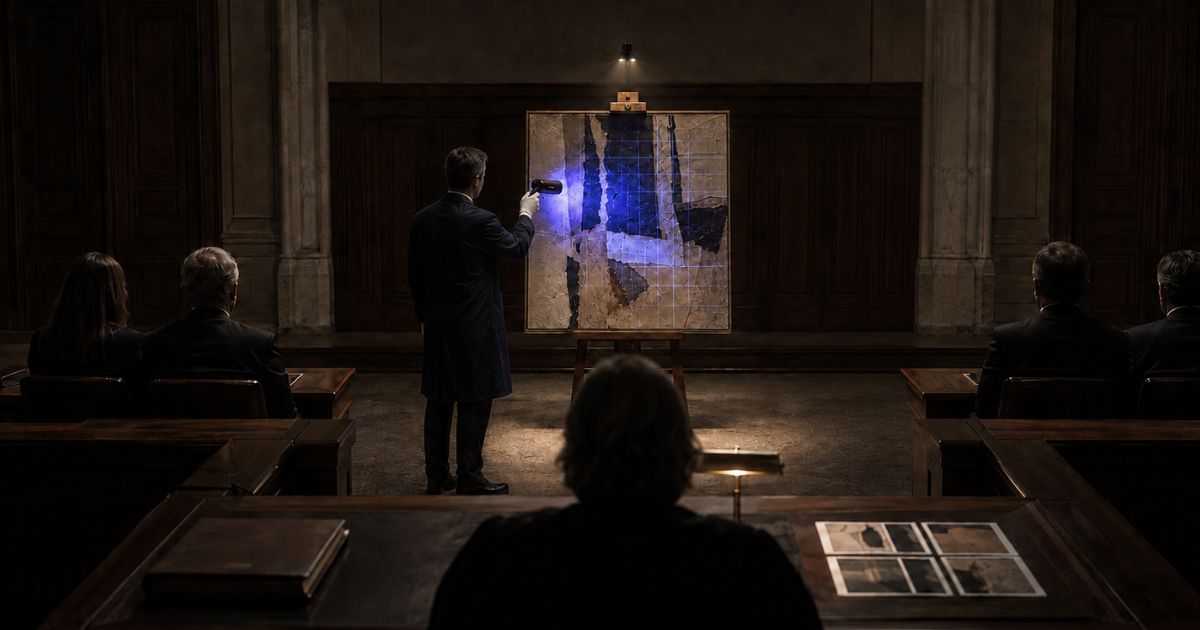
Can heirs take action against a fake work attributed to a deceased artist? (Italian Supreme Court, Civil Section, No. 15821/2026)
When a work is falsely attributed to a deceased artist, can the heirs or other family members ask a court to establish that it is [...]
7 August 2026

Can a work be published online if it is in the public domain only in certain countries?
A work may be in the public domain in one country while still protected by copyright in another. Putting it online therefore does not necessarily [...]
5 August 2026

Should Facebook pay newspapers? Fair compensation after the Meta–AGCOM Judgment
News costs money to produce and has value for those who distribute it online. In the Meta–AGCOM judgment, the Court of Justice of the European [...]
3 August 2026

Law 104 leave between annual leave and sick leave: caregiving purpose, holidays and the risk of abuse
The paid leave provided for under Law No. 104/1992 allows employees to be absent from work for needs connected with their own disability or to [...]
28 July 2026

Copyright and the dual-track sanctions system: limits on combining criminal and administrative penalties (Supreme Sourt No. 15440/2026)
Can the same copyright infringement be punished twice? A recent decision of the Italian Supreme Court, No. 15440/2026, provides an opportunity to revisit a particularly [...]
28 July 2026
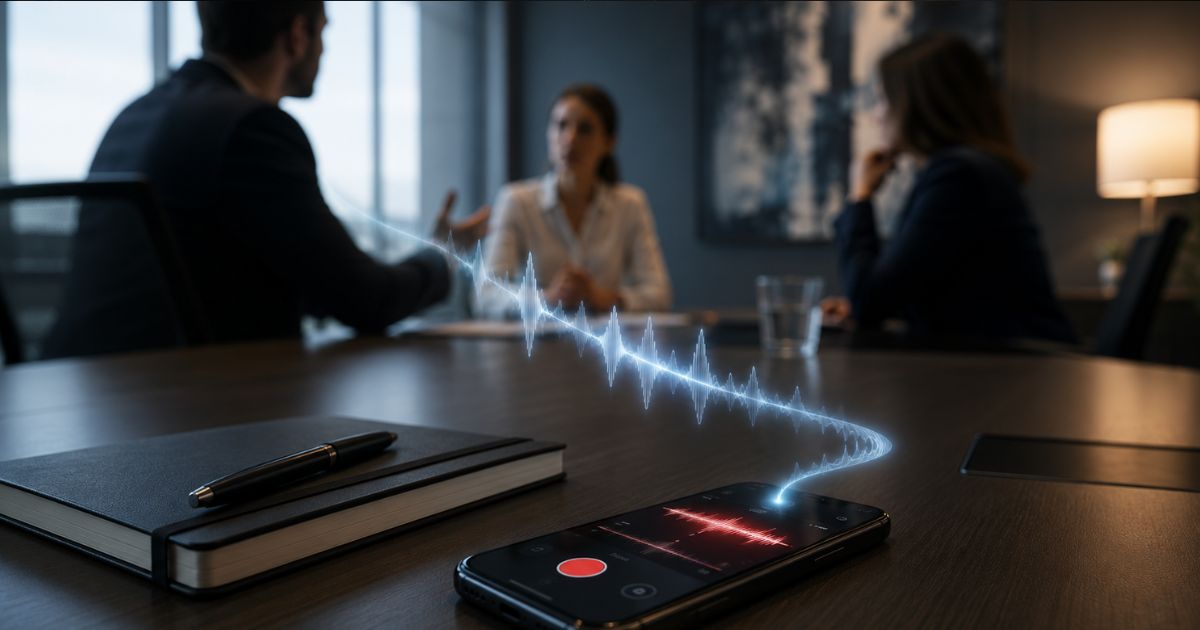
Employee recording workplace conversations: when it is lawful and what the employer can do
Is it lawful to record workplace conversations? May an employee record a meeting, a discussion with their manager, or a conversation with colleagues without informing [...]
15 July 2026

The half-million-euro mistake: the case of the incorrectly dated painting
How much is a work of art worth? The factors that determine price are certainly many, from the signature to the dimensions of the piece, [...]
1 July 2026
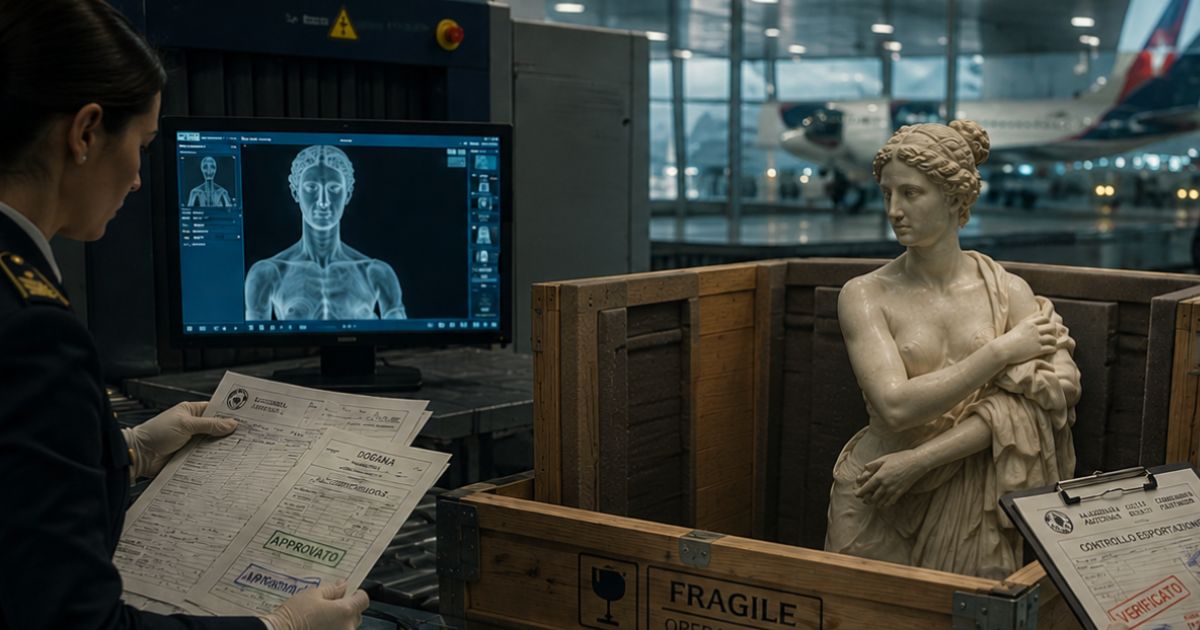
International circulation of works of art: what changes with Law No. 40/2026
Law No. 40 of 17 March 2026 amends several provisions of the Cultural Heritage Code concerning the circulation, enhancement and management of works of art. [...]
30 June 2026