Art Law
Protecting art requires sensitivity, respect, and legal competence.
In the art world, works are far more than material assets—they represent emotion, personal expression, reputation, and, undeniably, a financial investment.
To protect a work of art, an archive, or a collection, it is essential to understand its multi-layered value: securing authorship, preventing plagiarism, ensuring traceability, and balancing artistic value, public image, and economic interest.
Canella Camaiora® is among Italy’s most recognized law firms in the field of copyright protection. For six consecutive years (2020–2025), it has been ranked by Il Sole 24 Ore–Statista among the top Italian law firms in the areas of Intellectual Property and TMT, based on an independent survey of lawyers, in-house counsel, and clients.
We advise artists, collectors, galleries, foundations, archives, museums, cultural institutions, antiquarians, auction houses, logistics operators, insurers, and financial institutions—offering tailored legal solutions in a sector that demands both technical knowledge and cultural awareness.
Canella Camaiora® provides specialist legal support in every aspect of art law, including:
- Protection of copyright and moral rights;
- Artistic plagiarism, imitation, and counterfeiting;
- Authentication and attribution of artworks;
- Management, governance, and valuation of archives;
- Contracts for sale, loan, deposit, and gratuitous bailment;
- Exhibitions, fairs, and international circulation of artworks;
- Cultural property notifications, restrictions, and export authorizations;
- Disputes over ownership, rights, and cultural assets;
- Mediation and negotiation involving artists, heirs, foundations, institutions, and collectors;
- Legal consultancy in extraordinary transactions involving artistic heritage.
Authentication and artist archives
Authenticity is the foundation of legal protection.We assist archives, foundations, committees, and artists in drafting internal regulations, managing authentication requests, and documenting attributions.
We collaborate with trusted independent experts to ensure consistency of documentation and methodological integrity, particularly in cases of dispute.
A work without authentication loses value. A well-structured archive creates it.
Valuation and management of collections
We provide legal, technical, and economic analyses of individual works, archives, and entire collections. Our services include expert reports, due diligence, and technical assessments for donations, inheritances, estate divisions, art lending operations, and corporate transfers.
Awareness is itself a tool for managing, transmitting, and enhancing cultural value.
Copyright, plagiarism, and infringement
Every original creation is protected as a copyrighted work.
We support authors and galleries in licensing, asserting moral rights, managing resale royalty rights, and pursuing legal action in cases of plagiarism or unauthorized reproduction.
We act to obtain cessation of the infringement and compensation, including moral damages.
Contracts and circulation of artworks
We draft contracts for sale, exhibition, loan, transport, deposit, sponsorship, and patronage.
We advise public and private clients in their dealings with publishers, curators, conservators, exhibitors, and buyers.
Our team is well-versed in cultural heritage law, notification procedures, and export authorizations.
Litigation and cultural mediation
Canella Camaiora® is active in both judicial and extrajudicial protection of artistic rights and cultural assets.
We assist clients in disputes over authenticity, authorship, damage to works, cultural restrictions, inheritance claims, and estate division.
Where appropriate, we promote strategic, confidential mediation to resolve conflicts constructively and preserve value.
Art is a value. Protecting it is a responsibility.
Canella Camaiora® supports artists, institutions, archives, foundations, and collectors in the protection of rights and enhancement of artistic works.
We combine legal insight, practical experience, and cultural sensitivity to deliver concrete solutions in a field where culture meets the market.
Art law
Protection of copyright and moral rights
Artistic plagiarism, imitation, and counterfeiting
Authentication and attribution of artworks
Management, governance, and valuation of archives
Contracts for sale, loan, deposit, and gratuitous bailment
Exhibitions, fairs, and international circulation of artworks
Cultural property notifications, restrictions, and export authorizations
Disputes over ownership, rights, and cultural assets
Mediation and negotiation involving artists, heirs, foundations, institutions, and collectors
Legal consultancy in extraordinary transactions involving artistic heritage

Copying fashion design: what risks do companies and designers face?
A fashion product may be protected simultaneously by design rights, copyright and trade mark law, but each form of protection is subject to different requirements. [...]
10 September 2026

Artificial intelligence and employment: can AI hire, evaluate or fire?
Artificial intelligence is already being used in recruitment, employee assessment and workforce management. But how far can it influence an employer’s decisions? From employee training [...]
9 September 2026

When a work has multiple rights holders, who decides how it can be exploited?
When the economic exploitation rights in a copyright-protected work belong to more than one person, must everyone agree before distribution rights can be granted to [...]
1 September 2026
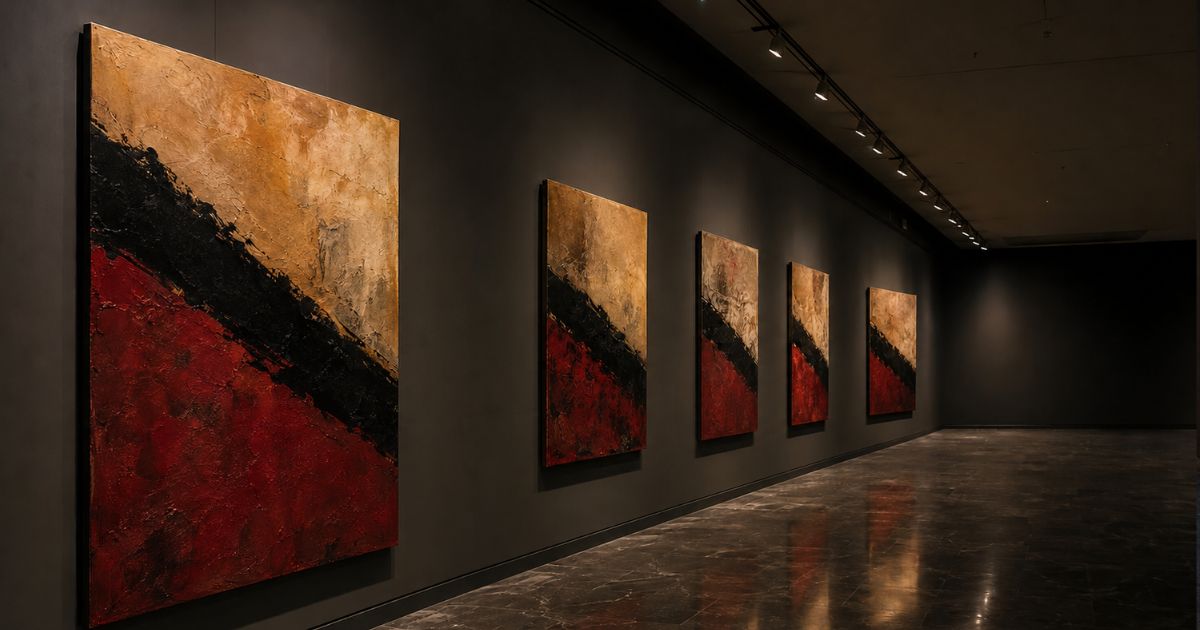
Plagiarism in art: when can a gallery also be held liable, and what harm can a foundation suffer?
Imitating an artist’s style is not, in itself, enough to constitute plagiarism: copyright protects the creative form of specific works, not ideas, techniques or artistic [...]
10 August 2026
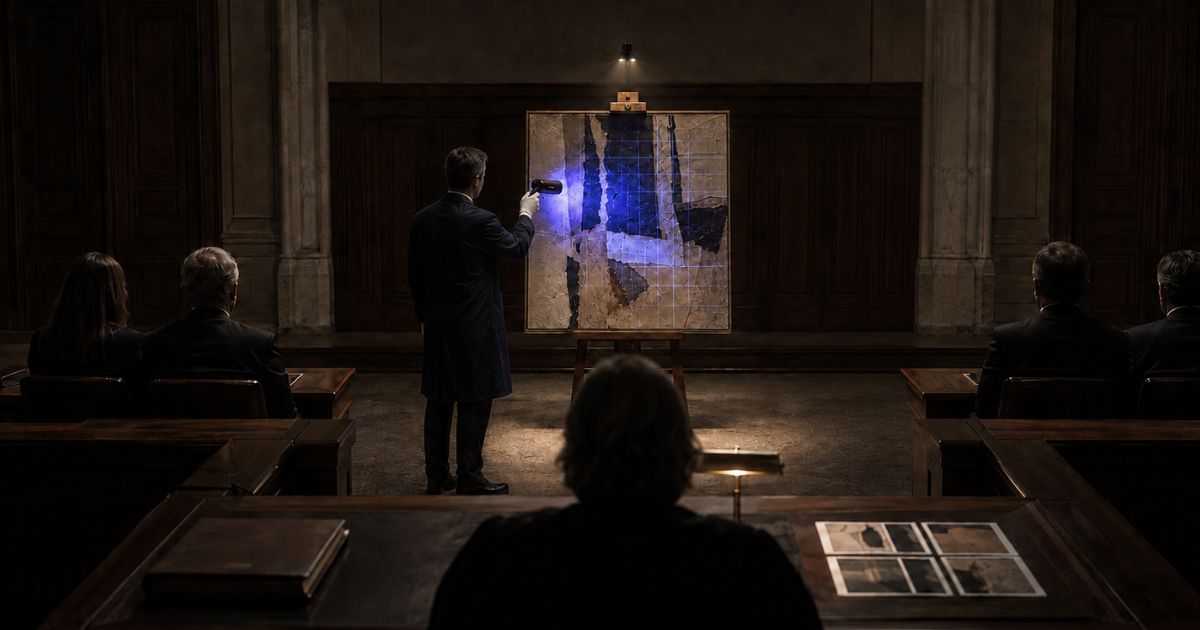
Can heirs take action against a fake work attributed to a deceased artist? (Italian Supreme Court, Civil Section, No. 15821/2026)
When a work is falsely attributed to a deceased artist, can the heirs or other family members ask a court to establish that it is [...]
7 August 2026

Can a work be published online if it is in the public domain only in certain countries?
A work may be in the public domain in one country while still protected by copyright in another. Putting it online therefore does not necessarily [...]
5 August 2026

Should Facebook pay newspapers? Fair compensation after the Meta–AGCOM Judgment
News costs money to produce and has value for those who distribute it online. In the Meta–AGCOM judgment, the Court of Justice of the European [...]
3 August 2026
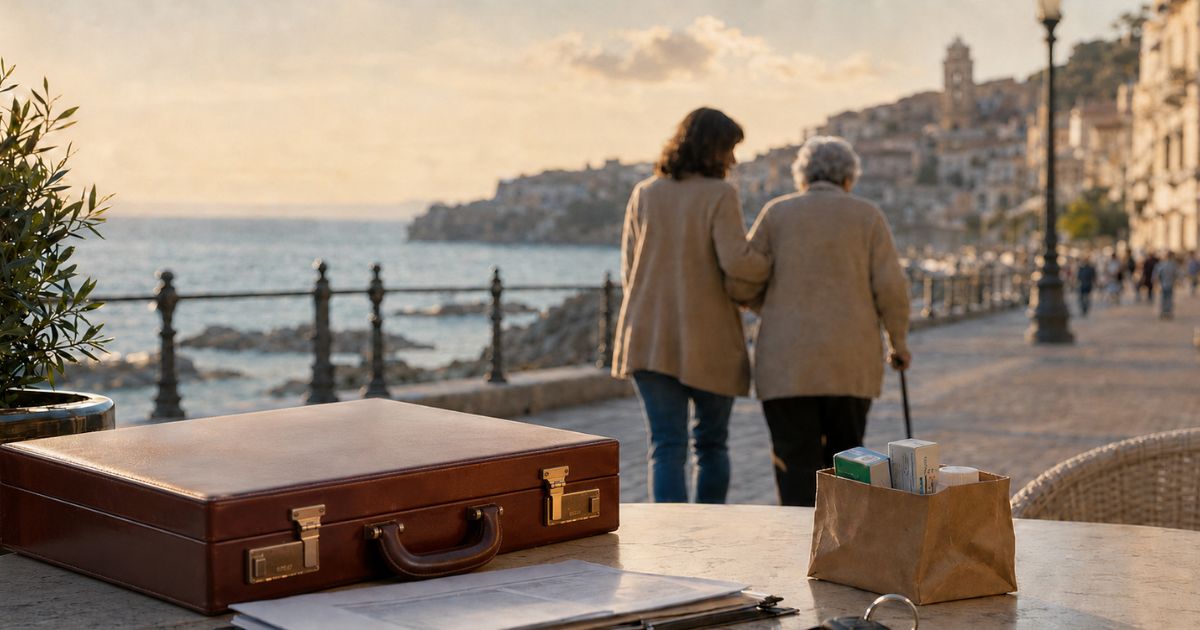
Law 104 leave between annual leave and sick leave: caregiving purpose, holidays and the risk of abuse
The paid leave provided for under Law No. 104/1992 allows employees to be absent from work for needs connected with their own disability or to [...]
28 July 2026

Copyright and the dual-track sanctions system: limits on combining criminal and administrative penalties (Supreme Sourt No. 15440/2026)
Can the same copyright infringement be punished twice? A recent decision of the Italian Supreme Court, No. 15440/2026, provides an opportunity to revisit a particularly [...]
28 July 2026

Employee recording workplace conversations: when it is lawful and what the employer can do
Is it lawful to record workplace conversations? May an employee record a meeting, a discussion with their manager, or a conversation with colleagues without informing [...]
15 July 2026
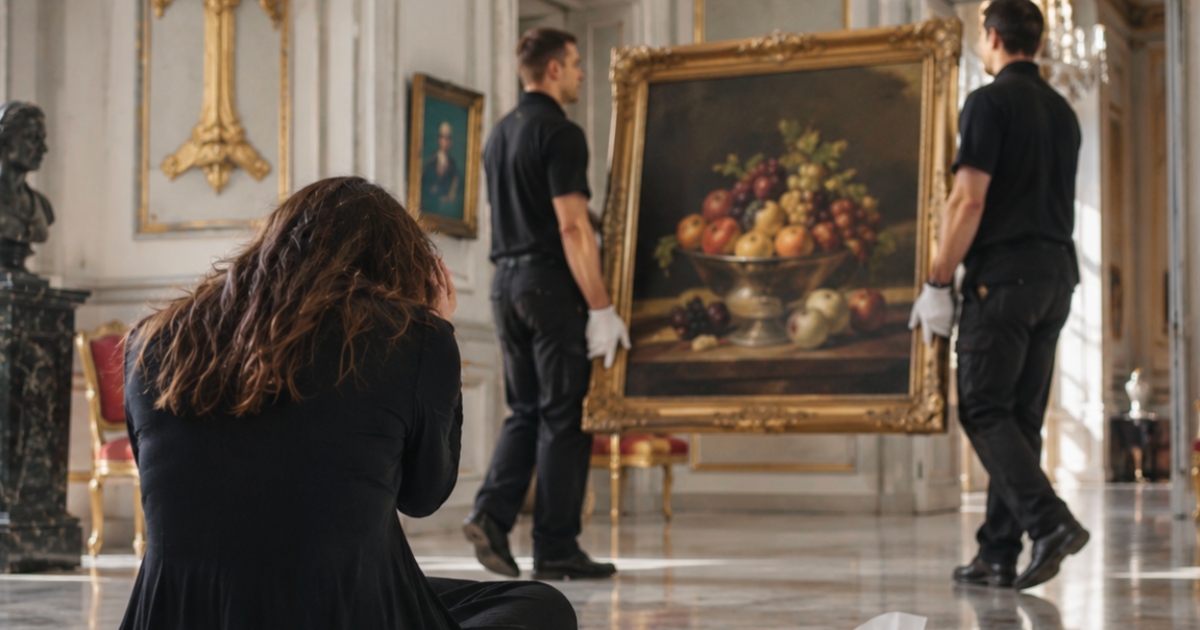
The half-million-euro mistake: the case of the incorrectly dated painting
How much is a work of art worth? The factors that determine price are certainly many, from the signature to the dimensions of the piece, [...]
1 July 2026
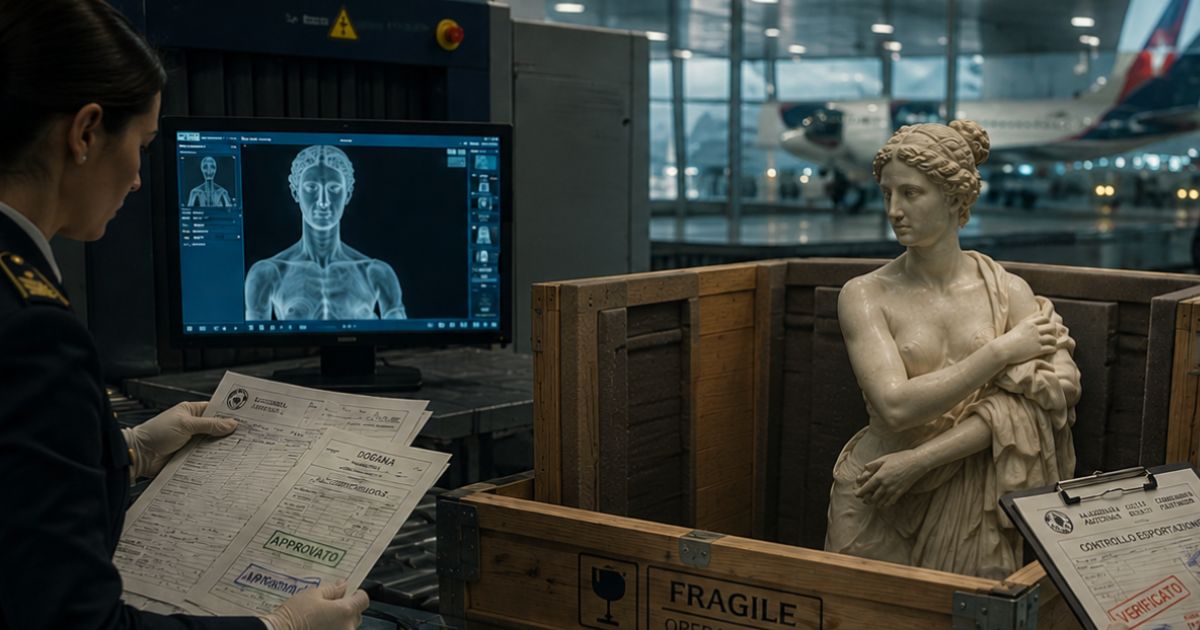
International circulation of works of art: what changes with Law No. 40/2026
Law No. 40 of 17 March 2026 amends several provisions of the Cultural Heritage Code concerning the circulation, enhancement and management of works of art. [...]
30 June 2026