Design Law
A basic knowledge of the Law is not enough to deal effectively with design law cases.
A deep understanding of the law is not enough to practice design law effectively. This nuanced area of intellectual property requires not only expertise in trademarks, patents, models, applied arts, and unfair competition, but also a genuine familiarity with the design industry itself. A design law attorney must be able to interpret the aesthetic standards that define products across various sectors.
Canella Camaiora® provides strategic legal counsel for the protection of design projects and represents companies and professionals in disputes concerning the distinctive appearance of products. For the sixth consecutive year (2020–2025), the firm has been recognized by Il Sole 24 Ore–Statista as one of Italy’s top law firms in the field of Intellectual Property. This recognition is based on an independent survey of attorneys, in-house counsel, and clients, and confirms the quality and authority of the firm’s legal work.
If design is the external appearance that adds value to a product, protecting it means safeguarding the creativity and investment that make it unique and marketable.
Canella Camaiora® assists designers, companies, and creative professionals in protecting design where aesthetics play an essential role in product value. This includes furniture, fashion and accessories, household and kitchen items, jewelry and watches, as well as graphic design, retail design, and increasingly, digital design—such as UI/UX interfaces, websites, and mobile applications. In each of these areas, design serves as a decisive competitive asset.
To ensure effective legal protection, the firm offers a comprehensive suite of services tailored to the needs of each project. Legal proficiency must go hand-in-hand with aesthetic awareness.
Design protection is governed by Italian, European, and international law, depending on the territorial scope in which the aesthetic features of a product are to be protected. Under Italian law, a design must meet two essential requirements to be registered: novelty—meaning it must not be identical to any existing, publicly disclosed design—and individual character—it must produce a different overall impression on the informed user compared to prior designs.
Designs may be registered with the Italian Patent and Trademark Office (UIBM) for national protection, the European Union Intellectual Property Office (EUIPO) for EU-wide protection, or through the Hague System managed by WIPO, which enables multi-jurisdictional protection through a single application. In all cases, protection is initially granted for five years and can be renewed in five-year increments for up to 25 years.
The European Union also offers unregistered design protection, which grants automatic protection for three years from the date of the design’s first public disclosure within the EU.
Design protection may be combined with copyright, trademark, and unfair competition law, resulting in a layered and reinforced legal shield. Canella Camaiora® provides end-to-end assistance across all these areas—from registrability assessment to managing international filings—with a technically sound and strategically oriented approach, aimed at leveraging design as a key competitive and brand-building asset.
Design Law
Design Registration
Legal action against imitation and infringement
Design Novelty Search
Protection against unfair competition and counterfeiting
Contract drafting for design exploitation
Legal safeguarding of digital design

The end of the “SIAE monopoly” and the opening of the market to independent management entities
The end of SIAE’s exclusive right to act as an intermediary in copyright management is the result of a process that unfolded in several stages. [...]
17 November 2026
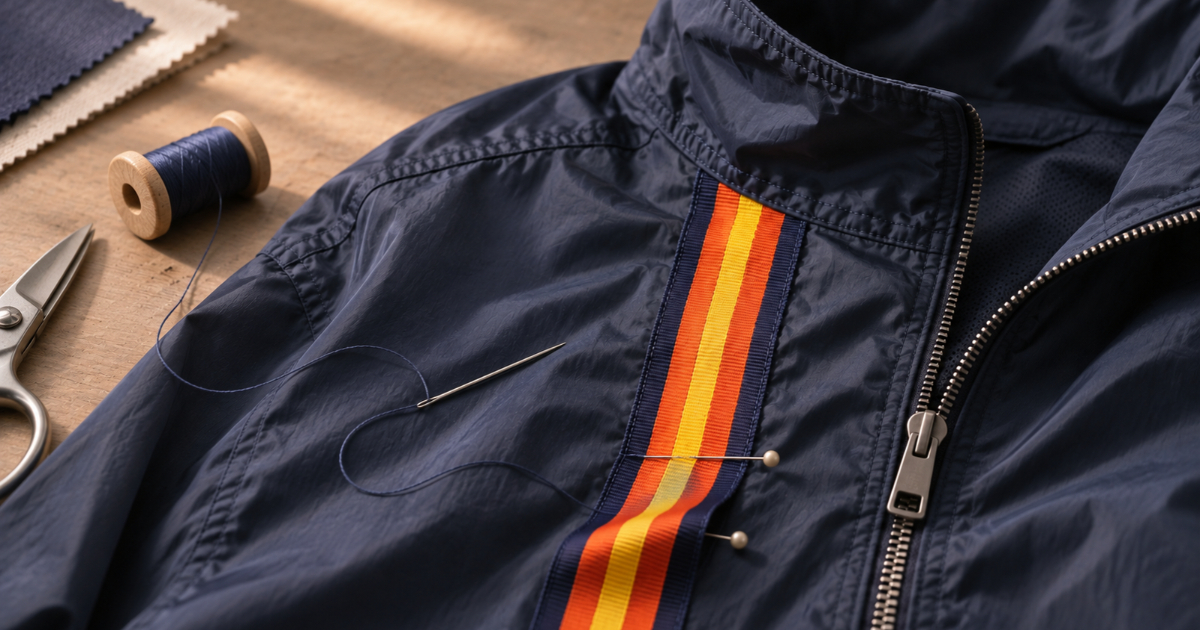
When does a decoration on clothing become a trademark? (Italian Supreme Court, 18 February 2022, o. 5491)
A coloured stripe, a seam or a graphic detail can be protected as a trademark when consumers recognise it as a distinctive sign. This is [...]
12 November 2026
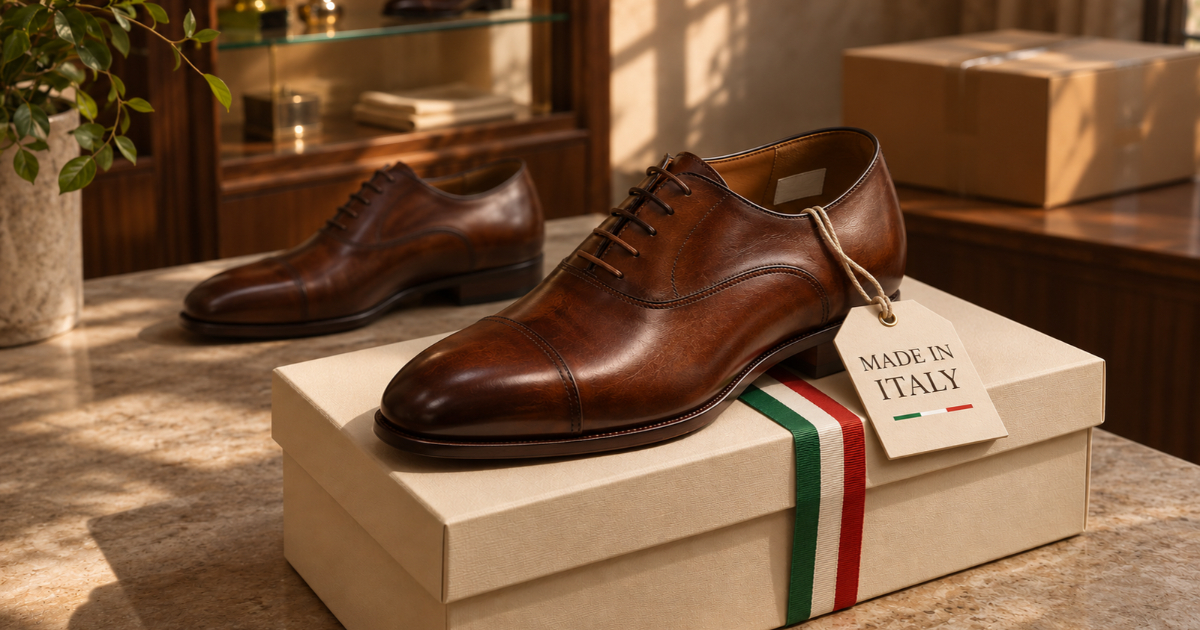
Can an Italian trademark on products manufactured in China mislead consumers? (Italian Supreme Court, Order No. 20226/2022)
Can a trademark consisting of an Italian first name and surname lead consumers to believe that a product was manufactured in Italy, even when it [...]
11 November 2026

Can an evocative slogan such as “Sustainability through Quality” be registered as a trademark?
Can an advertising slogan be registered as a trademark? By examining the judgment of the General Court of the European Union in Case T-253/22, concerning [...]
9 November 2026

Greenwashing: when should you change your trademark or slogan?
Even a registered trademark must comply with the rules against greenwashing. Names, logos and slogans can convey green claims, meaning environmental promises that must be [...]
9 November 2026

GEMA v. SunoAI: the second German ruling on copyright and generative AI training
Following the GEMA v. OpenAI case (previously discussed here), the Munich Regional Court I (Landgericht München I) has once again ruled on an issue that [...]
9 November 2026

Greenwashing 2026: what do businesses need to check?
The new rules against greenwashing concern commercial communications aimed at consumers and have applied in Italy since 27 September 2026. Legislative Decree No. 30/2026, which [...]
6 November 2026
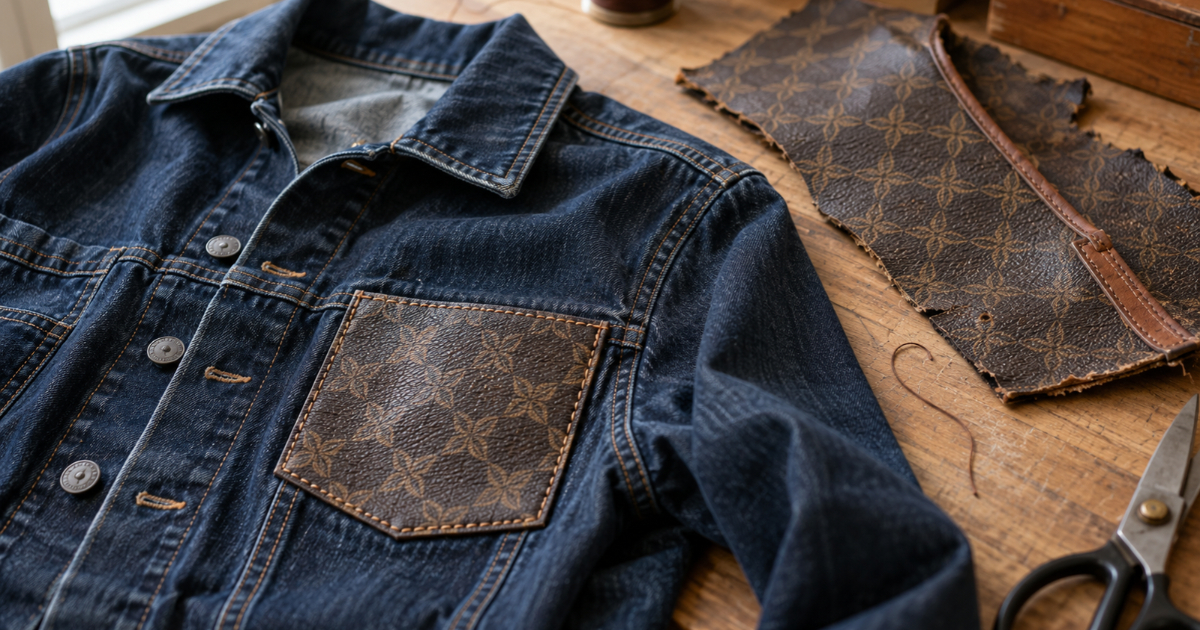
Upcycling branded products: is buying the original enough to transform and resell it?
Can buyers of second-hand branded products alter them and resell their creations while keeping the logos and monograms visible? In the Louis Vuitton–Kamad Reworked case, [...]
2 November 2026

E-commerce and packaging: who is responsible when selling in the EU?
Anyone running a small e-commerce business who wants to sell in France, Germany or other European Union Member States must also consider the environmental obligations [...]
29 October 2026
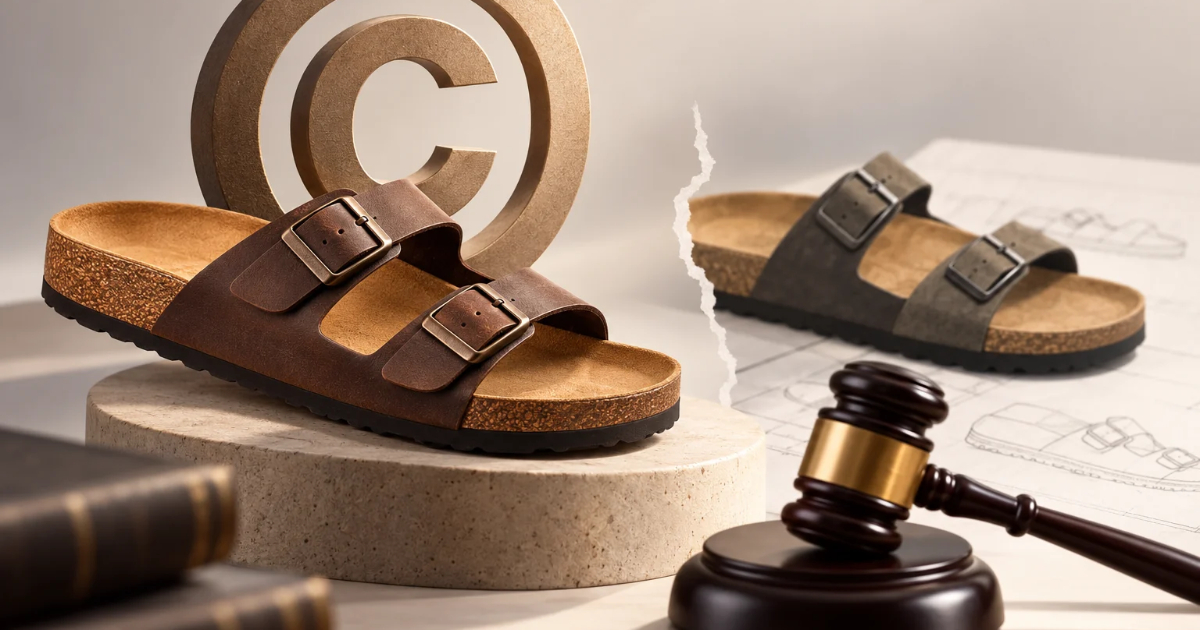
Birkenstock wins copyright case against Lidl: the famous sandals are protected by copyright
Can Birkenstock sandals be protected by copyright? In a judgment delivered on 23 September 2026, the District Court of Gelderland in the Netherlands recognised copyright [...]
28 October 2026

Can a trademark consisting of just a few letters be registered and protected?
A trademark consisting of just a few letters or numbers can be registered, but this does not necessarily guarantee broad protection against every similar sign. [...]
21 October 2026

Can I use my surname after selling the trademark? The Fiorucci case (Italian Supreme Court, judgment no. 10298/2020)
Using your own name in business does not necessarily mean you are free to use it as a trademark. In Judgment No. 10298 of 29 [...]
20 October 2026