Authors’ Rights and Copyright
The Law always safeguards (and protects) the product of human creativity, as long as it possesses an appropriate creative capacity and is in tangible form.
Unlike trademarks and patents, authorial copyright does not require any filing for the establishment of the right and therefore for its protection. It is however imperative to always keep evidence of the creation of the work, otherwise the authorship right and the exclusive economic exploitation right related to it are both jeopardised.Music, literature, drawing… Although there is no exhaustive list of work genres to refer to, it is always a good idea to plan a responsible legal protection strategy, tailored to suit the creative creation.
Our special services dedicated to this practice area are:
Italian Authors’ Rights is mainly governed by Law no. 633 of 22 April 1941 and Title IX of the Italian Civil Code; however, there is not a list of works or absolute categories to refer to. The following can certainly be taken into consideration: Texts, Publishing, Photography, Music, Novels, Screenplays, Stylistic Design, Literature, Movies, Television, Presentations, Formats, Websites.
Article 2 of the Italian Authors’ Rights provides a list of works eligible for protection. Unfortunately, this is only an approximative list and, for this reason, we rephrase it below:
- literature: literary, dramatic, scientific, educational and religious works; both in written and oral form;
- music: musical works and compositions (with or without lyrics), dramatic-musical works and musical variations (provided they are original works themselves);
- figurative arts: sculptures, paintings, drawings, engravings or works belonging to similar figurative arts, including scenography;
- architecture: architectural drawings and constructions;
- theatre: choreographic and pantomime works (with or without a script);
- cinematography: cinematographic works (silent or with sound), photographic works;
- industrial design: works possessing artistic and creative value.
In addition, so-called “creative elaborations”, such as translations into another language, transformations from one literary or artistic form into another, adaptations, reductions, etc., are also protected. Following the implementation of Directives 96/9/EC and 91/250/EEC, computer programs and databases are also included in the list.
Authors’ Rights and Copyright
Interference and plagiarism cases
Contract drafting and negotiation assistance
Legal proceedings for counterfeiting, infringement, usurpation and vindication claims
Payment recovery and/or compensation for damages
Software registration with SIA (Italian Society of Authors and Publishers)

Copying fashion design: what risks do companies and designers face?
A fashion product may be protected simultaneously by design rights, copyright and trade mark law, but each form of protection is subject to different requirements. [...]
10 September 2026

Artificial intelligence and employment: can AI hire, evaluate or fire?
Artificial intelligence is already being used in recruitment, employee assessment and workforce management. But how far can it influence an employer’s decisions? From employee training [...]
9 September 2026
When a work has multiple rights holders, who decides how it can be exploited?
When the economic exploitation rights in a copyright-protected work belong to more than one person, must everyone agree before distribution rights can be granted to [...]
1 September 2026
Plagiarism in art: when can a gallery also be held liable, and what harm can a foundation suffer?
Imitating an artist’s style is not, in itself, enough to constitute plagiarism: copyright protects the creative form of specific works, not ideas, techniques or artistic [...]
10 August 2026
Can heirs take action against a fake work attributed to a deceased artist? (Italian Supreme Court, Civil Section, No. 15821/2026)
When a work is falsely attributed to a deceased artist, can the heirs or other family members ask a court to establish that it is [...]
7 August 2026

Can a work be published online if it is in the public domain only in certain countries?
A work may be in the public domain in one country while still protected by copyright in another. Putting it online therefore does not necessarily [...]
5 August 2026
Should Facebook pay newspapers? Fair compensation after the Meta–AGCOM Judgment
News costs money to produce and has value for those who distribute it online. In the Meta–AGCOM judgment, the Court of Justice of the European [...]
3 August 2026
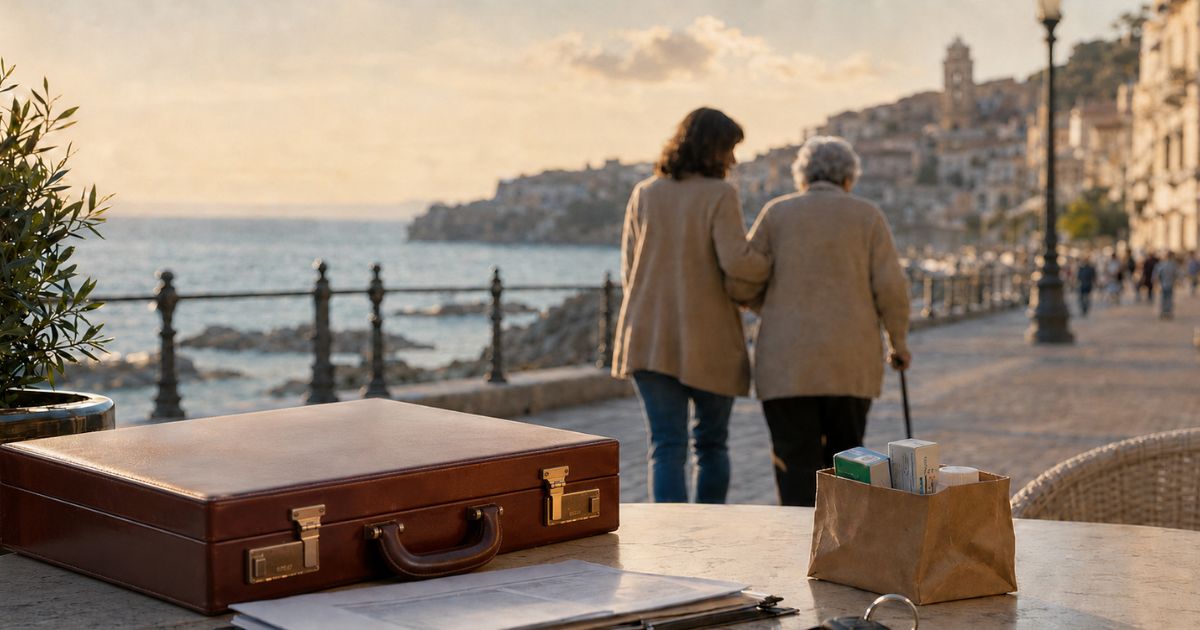
Law 104 leave between annual leave and sick leave: caregiving purpose, holidays and the risk of abuse
The paid leave provided for under Law No. 104/1992 allows employees to be absent from work for needs connected with their own disability or to [...]
28 July 2026
Copyright and the dual-track sanctions system: limits on combining criminal and administrative penalties (Supreme Sourt No. 15440/2026)
Can the same copyright infringement be punished twice? A recent decision of the Italian Supreme Court, No. 15440/2026, provides an opportunity to revisit a particularly [...]
28 July 2026
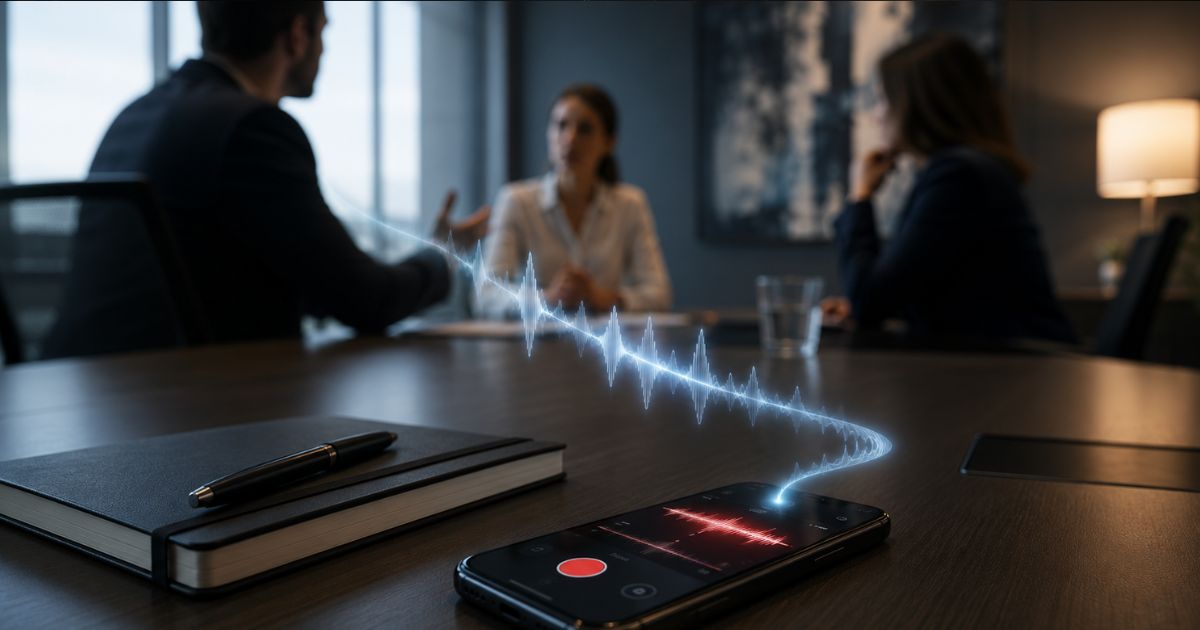
Employee recording workplace conversations: when it is lawful and what the employer can do
Is it lawful to record workplace conversations? May an employee record a meeting, a discussion with their manager, or a conversation with colleagues without informing [...]
15 July 2026
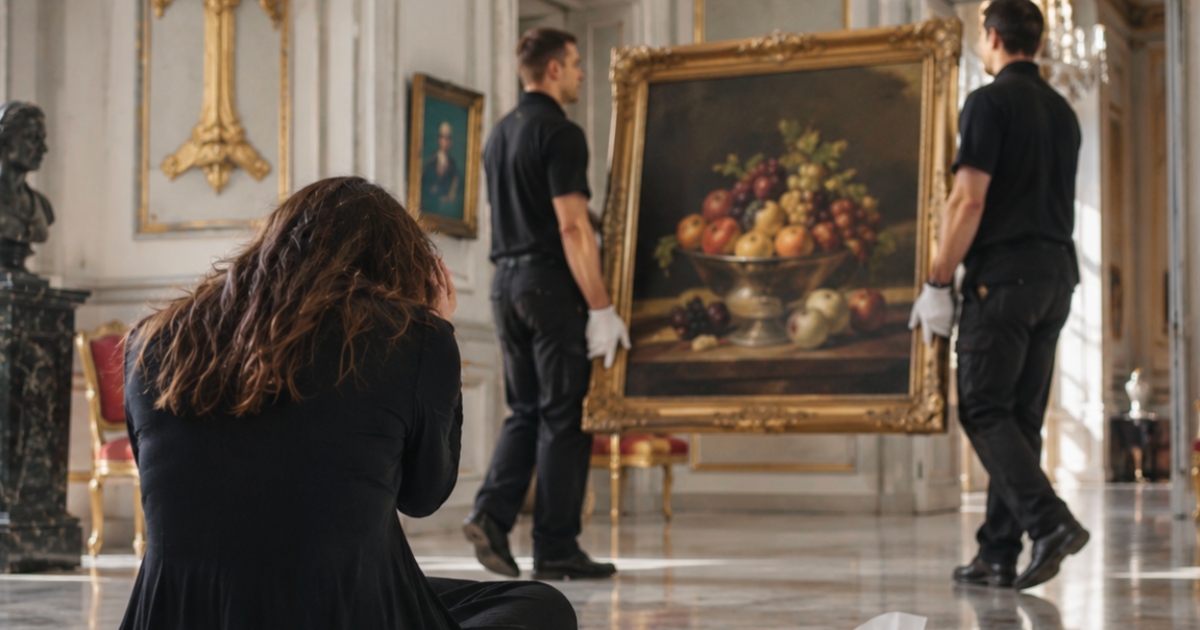
The half-million-euro mistake: the case of the incorrectly dated painting
How much is a work of art worth? The factors that determine price are certainly many, from the signature to the dimensions of the piece, [...]
1 July 2026
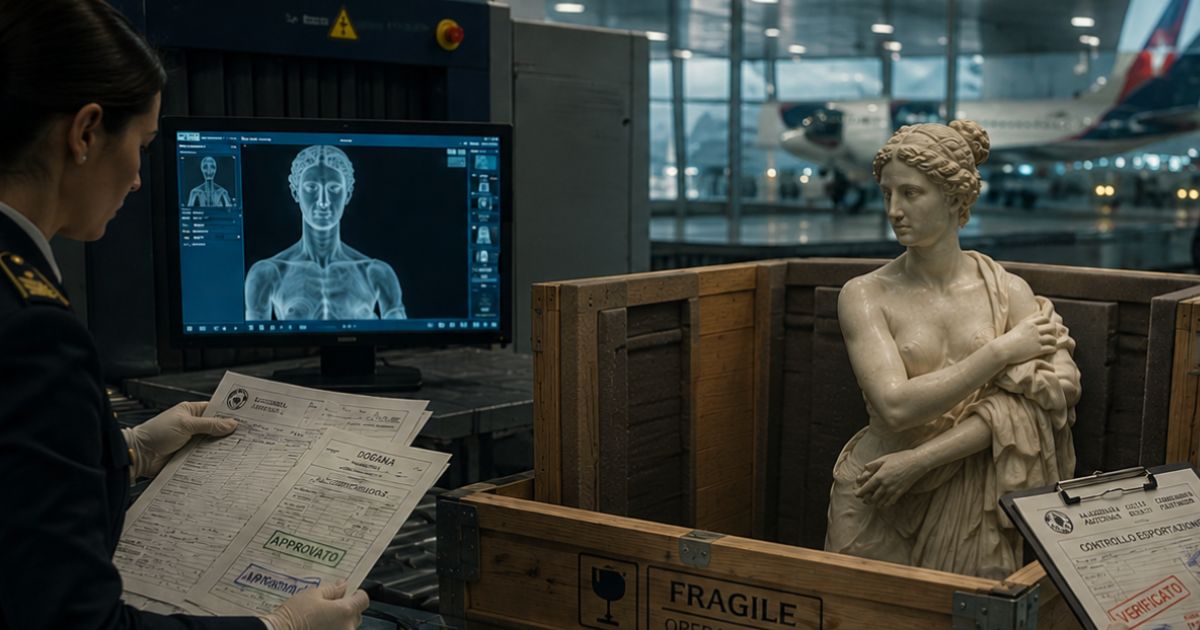
International circulation of works of art: what changes with Law No. 40/2026
Law No. 40 of 17 March 2026 amends several provisions of the Cultural Heritage Code concerning the circulation, enhancement and management of works of art. [...]
30 June 2026