Unfair Competition and Counterfeiting
Legal action against unfair competition and counterfeiting is one of Canella Camaiora®’s core areas of practice.
We approach every case with the mindset of seasoned litigators who not only know the law but also understand which procedure to initiate, when to do so, and with what strategic objective.
We act to protect our clients’ competitive advantage, commercial reputation, and intellectual property rights with urgency, precision, and method. Whether the goal is to stop imitation, respond to an accusation, or neutralize an infringement—online or offline—our guiding principle remains the same: the client’s best interest.
Justice is complex—unless you truly understand how it works.
The key lies in activating the right legal tools with the right strategy, at the exact moment they are needed.
For six consecutive years (2020–2025), Canella Camaiora® has been recognized by Il Sole 24 Ore–Statista among Italy’s top law firms in the fields of Intellectual Property and TMT, based on an independent survey of attorneys, corporate counsel, and clients.
Our firm provides targeted and structured legal services, designed to deliver timely, precise, and effective responses:
- Initial consultation to assess the case;
- Legal opinions on interference between competing businesses;
- Cease-and-desist letters or responses to allegations;
- Defense in court and precautionary measures;
- Customs notices to block suspicious goods;
- Platform reports for content removal;
- Online monitoring and surveillance of potential infringements;
- Certified digital evidence collection (powered by TrueScreen®).
What is unfair competition?
Unfair competition arises when a business engages in dishonest practices to divert market share or clients from a competitor. Such conduct, which violates the principles of fair commercial conduct, may include product imitation, theft of confidential information, commercial disparagement, and organized boycott. The matter is governed by Article 2598 of the Italian Civil Code and is internationally recognized under the Paris Convention of March 20, 1883.
The difference between unfair competition and counterfeiting
Counterfeiting occurs when unfair competition also involves the infringement of industrial property rights, such as patents, registered trademarks, or copyright. In these cases, the violation extends beyond commercial misconduct to include a direct breach of exclusive rights.
Common forms of unfair competition
Frequent forms of unfair competition include:
- slavish imitation of names, trademarks, product designs, websites, or catalogs—causing confusion and diverting customers.
- Reference advertising or unauthorized association with a competitor’s reputation.
- Commercial disparagement through false and damaging statements.
Additional behaviors recognized by Italian courts include:
- Parasitic competition, systematically replicating a competitor’s business initiatives.
- Employee poaching, targeted recruitment of a competitor’s workforce.
- Organized boycott,pressure exerted on suppliers or partners to exclude a rival.
- Theft of confidential information, such as know-how, source code, client or supplier lists.
- Employee-driven competition involving misappropriated trade secrets.
- Misleading conduct such as false claims of “Made in Italy” or misuse of CE markings may also fall under the scope of unfair competition as forms of deceptive commercial practice.
How to act against unfair competition or counterfeiting
In many cases, a cease-and-desist letter may effectively stop the infringing behavior and lead to damage compensation. However, in more serious or urgent situations, it may be necessary to pursue judicial remedies, especially to preserve evidence or act by surprise.
For clear online violations involving trademarks, patents, designs, or copyrighted works, Canella Camaiora® handles direct notifications to the platforms hosting the infringing content (e.g., Amazon, Alibaba).
It is also possible to file a customs intervention request with the Italian Customs Agency to block suspect shipments.
When do unfair competition or counterfeiting become criminal offenses?
Unfair competition and counterfeiting frequently give rise to criminal liability. The Italian Criminal Code punishes a range of offenses, including unlawful competition with threats or violence (Art. 513-bis), commercial fraud (Art. 515), and the sale of industrial products with misleading marks (Art. 517).
These are situations where commercial misconduct escalates into violations of economic public order, resulting in liability that extends beyond civil damages.
That is why proactive market surveillance and timely response are essential. In legal protection, proactivity is the true key to success.
Unfair Competition and Counterfeiting
Initial consultation to assess the case
Legal opinions on interference between competing businesses
Cease-and-desist letters or responses to allegations
Defense in court and precautionary measures
Customs notices to block suspicious goods
Platform reports for content removal
Online monitoring and surveillance of potential infringements
Certified digital evidence collection (powered by TrueScreen®)

Industrial plans for SMEs: what they contain and how to assess their credibility
An industrial plan is more than a set of forecasts prepared for banks, investors or extraordinary transactions. It is a tool through which a business [...]
29 September 2026

Legal protection tools for software
Software, lacking a tangible dimension, is legally classified as an intangible asset and, therefore, as intellectual property. Its uniqueness lies in the combination of creativity [...]
29 September 2026

Idea, project or software? When are instructions given to a programmer protected?
Many software projects begin in the same way: someone who understands the problem to be solved defines the functions, workflows, information to be processed, and [...]
29 September 2026

AI-generated work: can I guarantee exclusivity to the client?
Creative agencies, photographers, designers and other professionals are increasingly using artificial intelligence tools to create content for their clients. In contracts, however, the client may [...]
29 September 2026

Facebook, Instagram and minors: why is Meta paying $17 billion to settle the lawsuit?
Meta has agreed to pay up to approximately $17 billion to settle the US lawsuit concerning allegations about the effects of Facebook and Instagram on [...]
24 September 2026

Copying fashion design: what risks do companies and designers face?
A fashion product may be protected simultaneously by design rights, copyright and trade mark law, but each form of protection is subject to different requirements. [...]
10 September 2026

Artificial intelligence and employment: can AI hire, evaluate or fire?
Artificial intelligence is already being used in recruitment, employee assessment and workforce management. But how far can it influence an employer’s decisions? From employee training [...]
9 September 2026

When a work has multiple rights holders, who decides how it can be exploited?
When the economic exploitation rights in a copyright-protected work belong to more than one person, must everyone agree before distribution rights can be granted to [...]
1 September 2026

Plagiarism in art: when can a gallery also be held liable, and what harm can a foundation suffer?
Imitating an artist’s style is not, in itself, enough to constitute plagiarism: copyright protects the creative form of specific works, not ideas, techniques or artistic [...]
10 August 2026
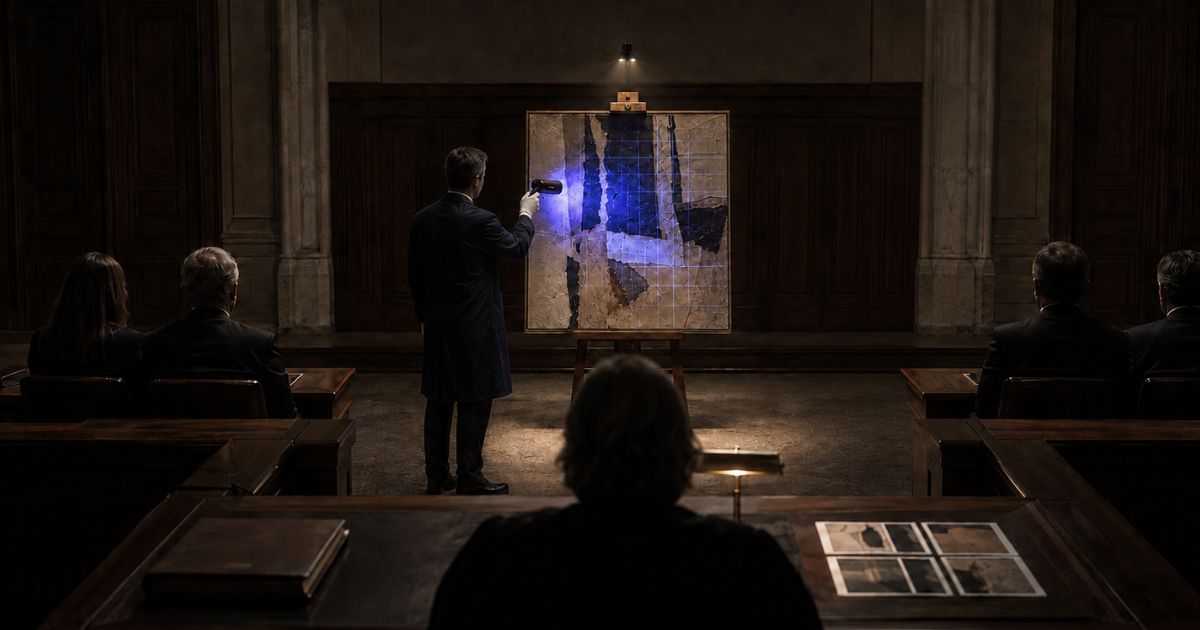
Can heirs take action against a fake work attributed to a deceased artist? (Italian Supreme Court, Civil Section, No. 15821/2026)
When a work is falsely attributed to a deceased artist, can the heirs or other family members ask a court to establish that it is [...]
7 August 2026

Can a work be published online if it is in the public domain only in certain countries?
A work may be in the public domain in one country while still protected by copyright in another. Putting it online therefore does not necessarily [...]
5 August 2026
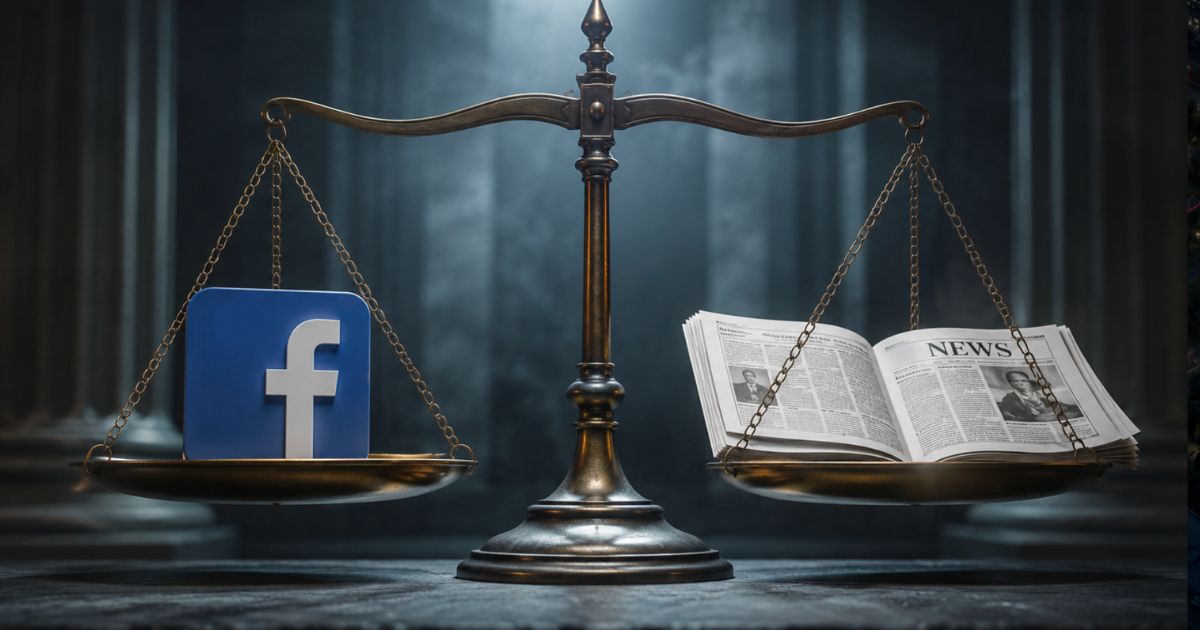
Should Facebook pay newspapers? Fair compensation after the Meta–AGCOM Judgment
News costs money to produce and has value for those who distribute it online. In the Meta–AGCOM judgment, the Court of Justice of the European [...]
3 August 2026