Intangible Assets Evaluation
The trademark evaluation service allows you to establish the financial value of one or more intangible assets.
As intellectual property experts, we deal on a daily basis with the valuation of trademarks, software, patents, know-how, etc. The evaluation of intangible assets is a specialised activity that, besides the need for the competence of an expert for their economic appraisal, also requires the advice of an intellectual property lawyer. The evaluation of the intangible asset enables both to obtain an economic valuation of it, and to enhance its legal protection and/or performance.
In appraising the intangible asset, the lawyer must verify whether the asset possesses legal identity, whether it is protected and whether it is effectively controlled by its owner or by the person requesting the appraisal.
The most requested intangible asset evaluations are:
Our activity is a “targeted due diligence” with regard to the origin of intangibles (rights and registrations), their ownership (litigation, infringements), and their significant contractual management (historical, current and prospective).
You can contact us by booking an initial consultation appointment (in our office, by phone or even by videoconference). During the appointment, we listen attentively to the clients and assess their protection needs. You can read more in our information sheet dedicated to the first appointment.
Our evaluation activity involves the collection ( with checklists) of significant information and documents, in order to:
- establish the assets and/or investigation perimeter;
- identify the type of intangible asset and its potential relation with other intangibles ( as to function, type of benefits and competitive advantages);
- Verify its legal protection (rights and possible limitations);
- examine the asset’s background and its future life;
- review the related contractual arrangements (R&D, assignments, licences, confidentiality, etc.)
- analyse disputes (past, present and potential);
- analyse the current exploitation of the asset in relation to its potential exploitation.
Intangible Assets Evaluation
Trademark evaluation
Software evaluation
Patent evaluation
Know-how evaluation
Design evaluation
Database evaluation

Facebook, Instagram and minors: why is Meta paying $17 billion to settle the lawsuit?
Meta has agreed to pay up to approximately $17 billion to settle the US lawsuit concerning allegations about the effects of Facebook and Instagram on [...]
24 September 2026

Copying fashion design: what risks do companies and designers face?
A fashion product may be protected simultaneously by design rights, copyright and trade mark law, but each form of protection is subject to different requirements. [...]
10 September 2026

Artificial intelligence and employment: can AI hire, evaluate or fire?
Artificial intelligence is already being used in recruitment, employee assessment and workforce management. But how far can it influence an employer’s decisions? From employee training [...]
9 September 2026

When a work has multiple rights holders, who decides how it can be exploited?
When the economic exploitation rights in a copyright-protected work belong to more than one person, must everyone agree before distribution rights can be granted to [...]
1 September 2026

Plagiarism in art: when can a gallery also be held liable, and what harm can a foundation suffer?
Imitating an artist’s style is not, in itself, enough to constitute plagiarism: copyright protects the creative form of specific works, not ideas, techniques or artistic [...]
10 August 2026

Can heirs take action against a fake work attributed to a deceased artist? (Italian Supreme Court, Civil Section, No. 15821/2026)
When a work is falsely attributed to a deceased artist, can the heirs or other family members ask a court to establish that it is [...]
7 August 2026

Can a work be published online if it is in the public domain only in certain countries?
A work may be in the public domain in one country while still protected by copyright in another. Putting it online therefore does not necessarily [...]
5 August 2026
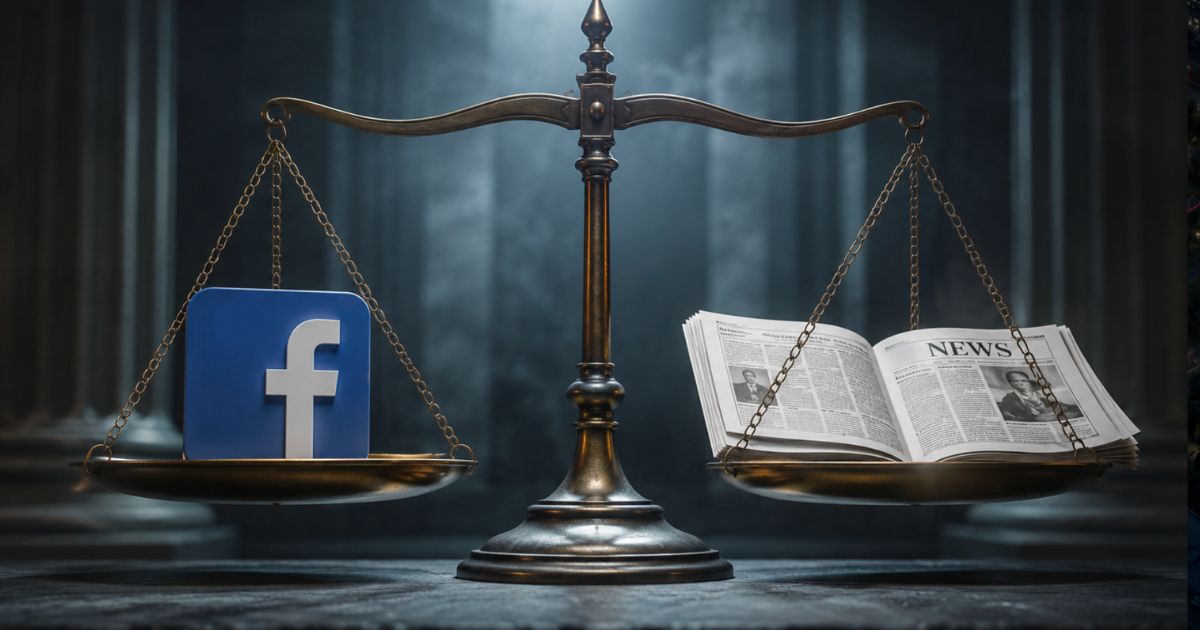
Should Facebook pay newspapers? Fair compensation after the Meta–AGCOM Judgment
News costs money to produce and has value for those who distribute it online. In the Meta–AGCOM judgment, the Court of Justice of the European [...]
3 August 2026

Law 104 leave between annual leave and sick leave: caregiving purpose, holidays and the risk of abuse
The paid leave provided for under Law No. 104/1992 allows employees to be absent from work for needs connected with their own disability or to [...]
28 July 2026

Copyright and the dual-track sanctions system: limits on combining criminal and administrative penalties (Supreme Sourt No. 15440/2026)
Can the same copyright infringement be punished twice? A recent decision of the Italian Supreme Court, No. 15440/2026, provides an opportunity to revisit a particularly [...]
28 July 2026

Employee recording workplace conversations: when it is lawful and what the employer can do
Is it lawful to record workplace conversations? May an employee record a meeting, a discussion with their manager, or a conversation with colleagues without informing [...]
15 July 2026

The half-million-euro mistake: the case of the incorrectly dated painting
How much is a work of art worth? The factors that determine price are certainly many, from the signature to the dimensions of the piece, [...]
1 July 2026